Article 36 is a specialist non-profit organisation, focused on reducing harm from weapons.
We work with governments, international organisations and civil society to develop the policies, legal standards and partnerships that strengthen the protection of civilians.
We bring our expertise to briefings, negotiations and strategically convened discussions, working with states and civil society partners to develop new policies and legal standards that prevent civilian harm from existing and emerging weapons.
Our work
is grounded in rigorous, independent analysis of civilian harm and practical approaches to preventing it.
Our team
brings decades of experience in international policy, advocacy and diplomacy, with a track record of developing major international instruments and supporting their implementation.
We believe
that legal, political and social norms can reduce harm from weapons. From framing humanitarian issues and shaping civil society responses, to convening key political meetings and presenting expert analysis in international treaty negotiations, we provide a critical voice on the role of weapons in the world.
How we work
Developing international law and policy is a long-term process. We work with partners to build the evidence base, political support and practical implementation needed to turn commitments into meaningful change.
Organisational commitments
Article 36 does not organise or participate in all-male panels.
Our policies on equality, diversity and inclusion, parental leave, safeguarding and ethical image use are available on request. This website has been designed to meet WCAG 2.0 AA accessibility standards.
Organisational achievements
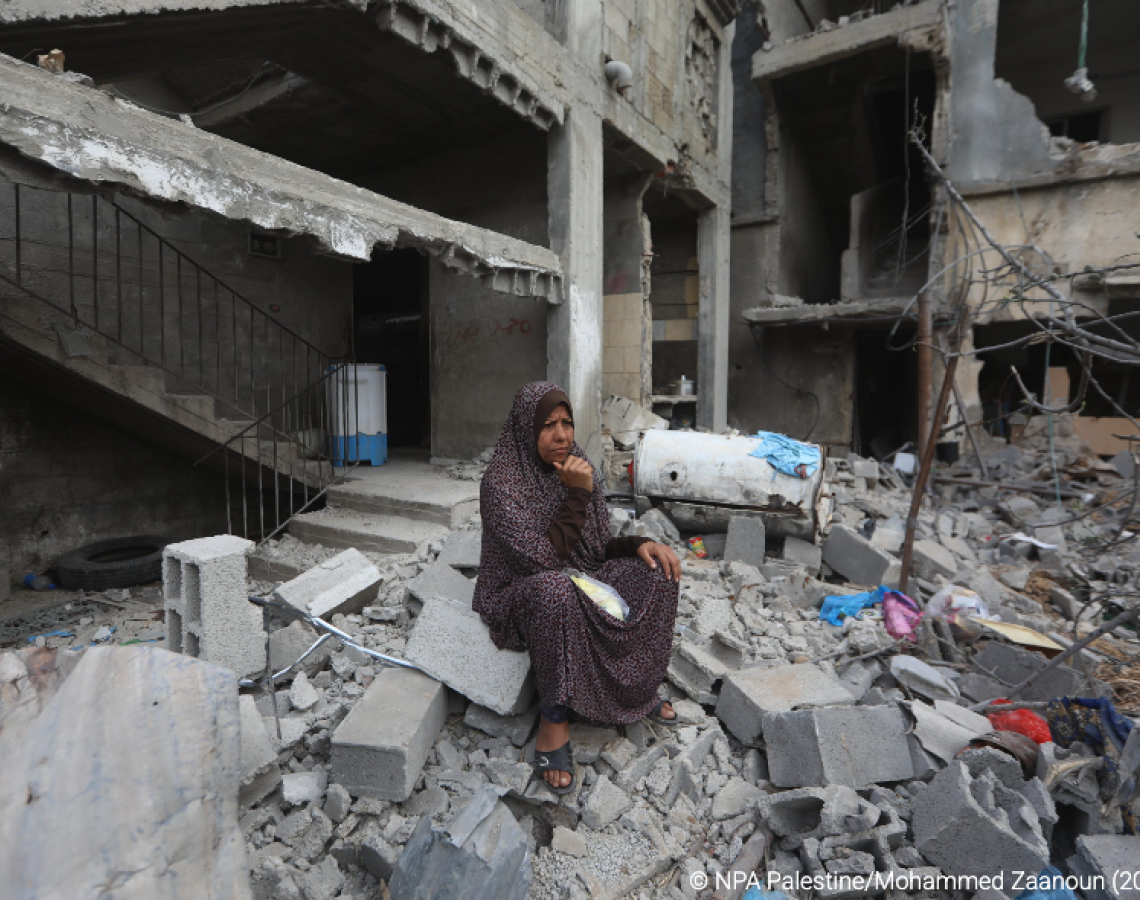
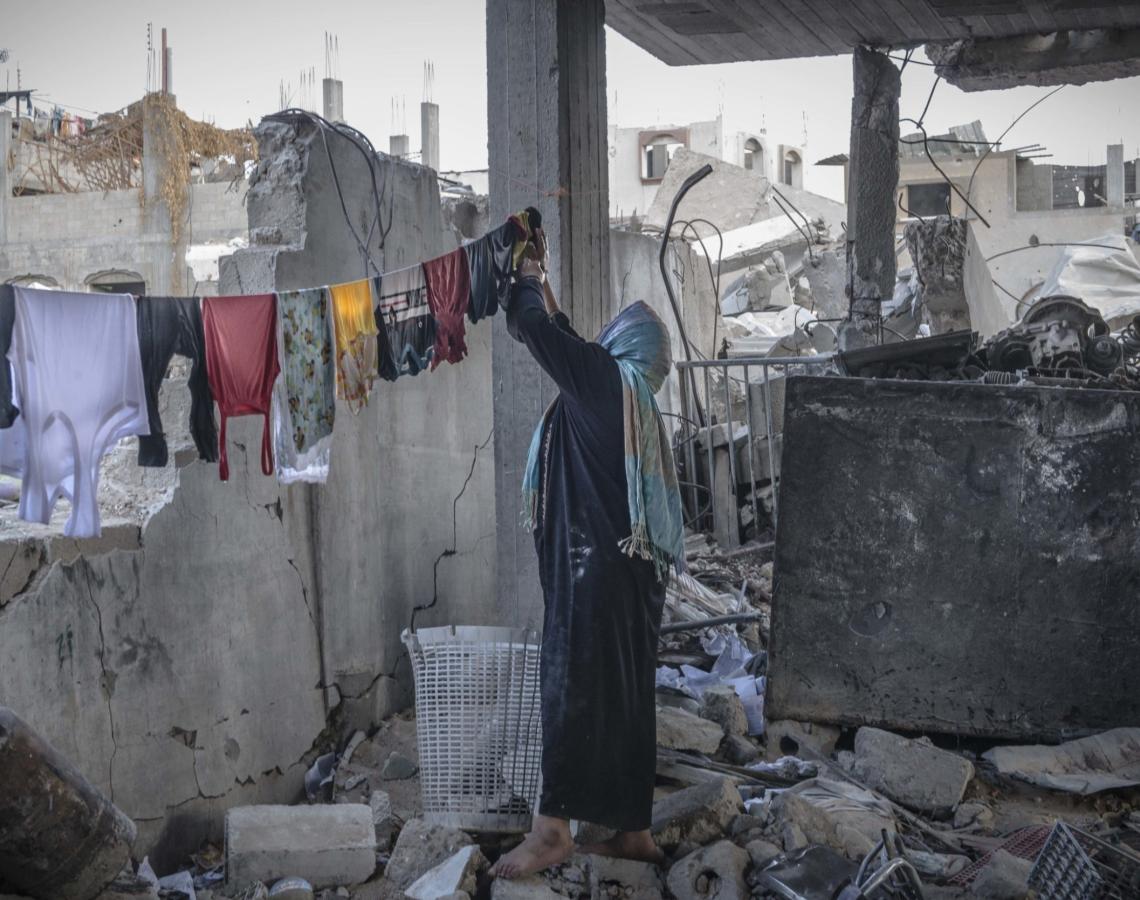
Explosive weapons in populated areas (EWIPA)
We framed the humanitarian consequences of explosive weapons in populated areas as a distinct international policy issue. Through our leadership of the International Network on Explosive Weapons (INEW), alongside partner organisations, we drove the civil society process that culminated in the adoption of the 2022 Political Declaration. Today, we continue to support its implementation by working with governments, armed forces and civil society to strengthen the policy and practice that protects civilians.
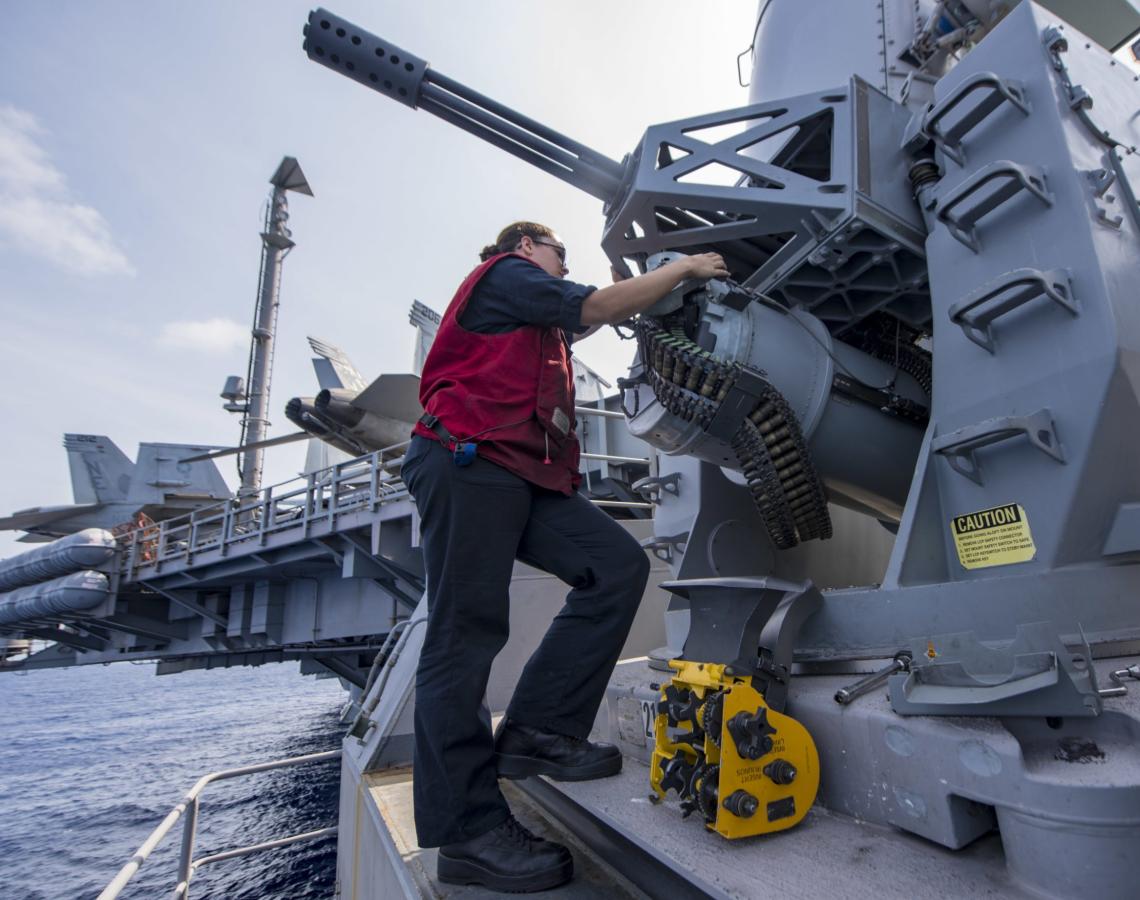
Meaningful human control
We pioneered the concept of meaningful human control over autonomous weapons systems — a framework that has become central to international discussions on regulating autonomous weapons. As a founding member of the Campaign to Stop Killer Robots, we continue to play a leading role in efforts to establish new international rules.
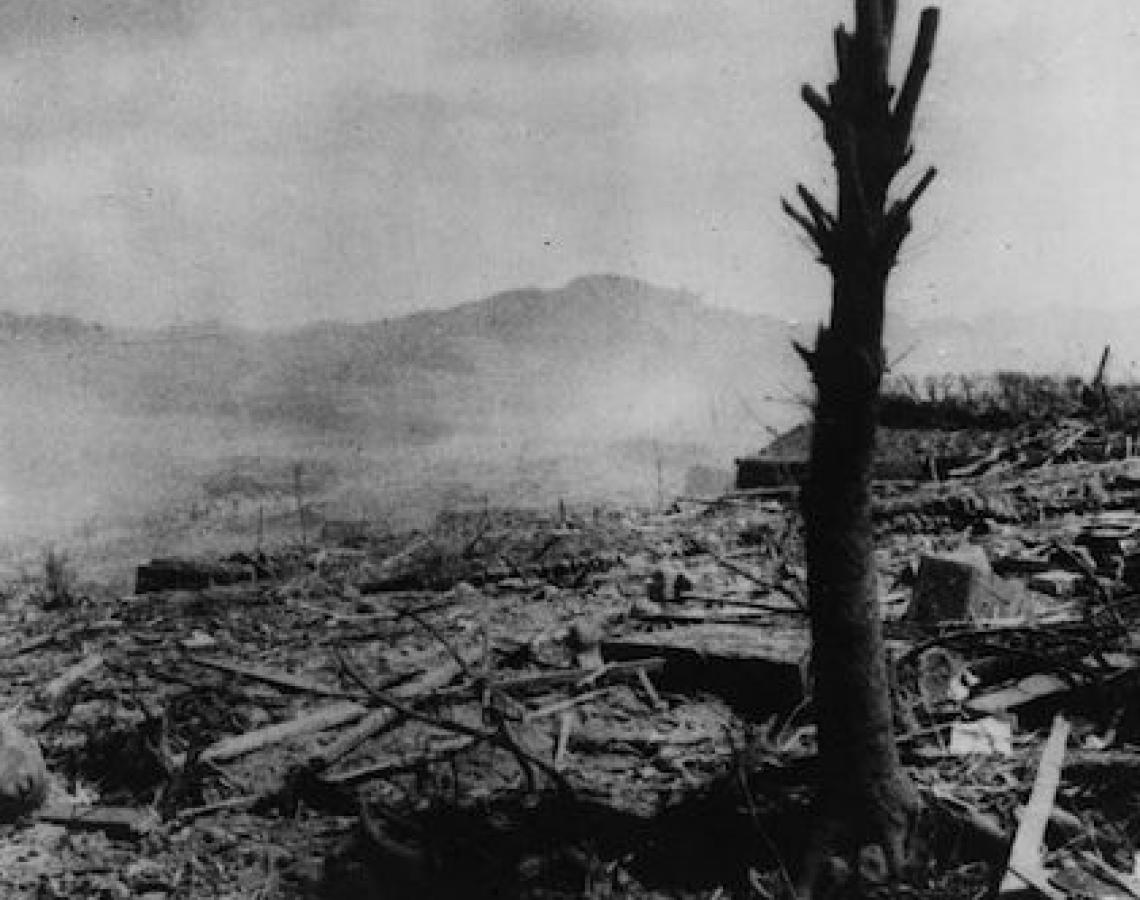
Treaty on the Prohibition of Nuclear Weapons (TPNW)
We developed the political argument that a treaty banning nuclear weapons did not require the participation of nuclear-armed states — a reframing that unlocked the negotiating process. From 2013, we convened diplomatic discussions through which states developed their strategy, and participated in the final negotiations. We also secured provisions on victim assistance and environmental remediation.
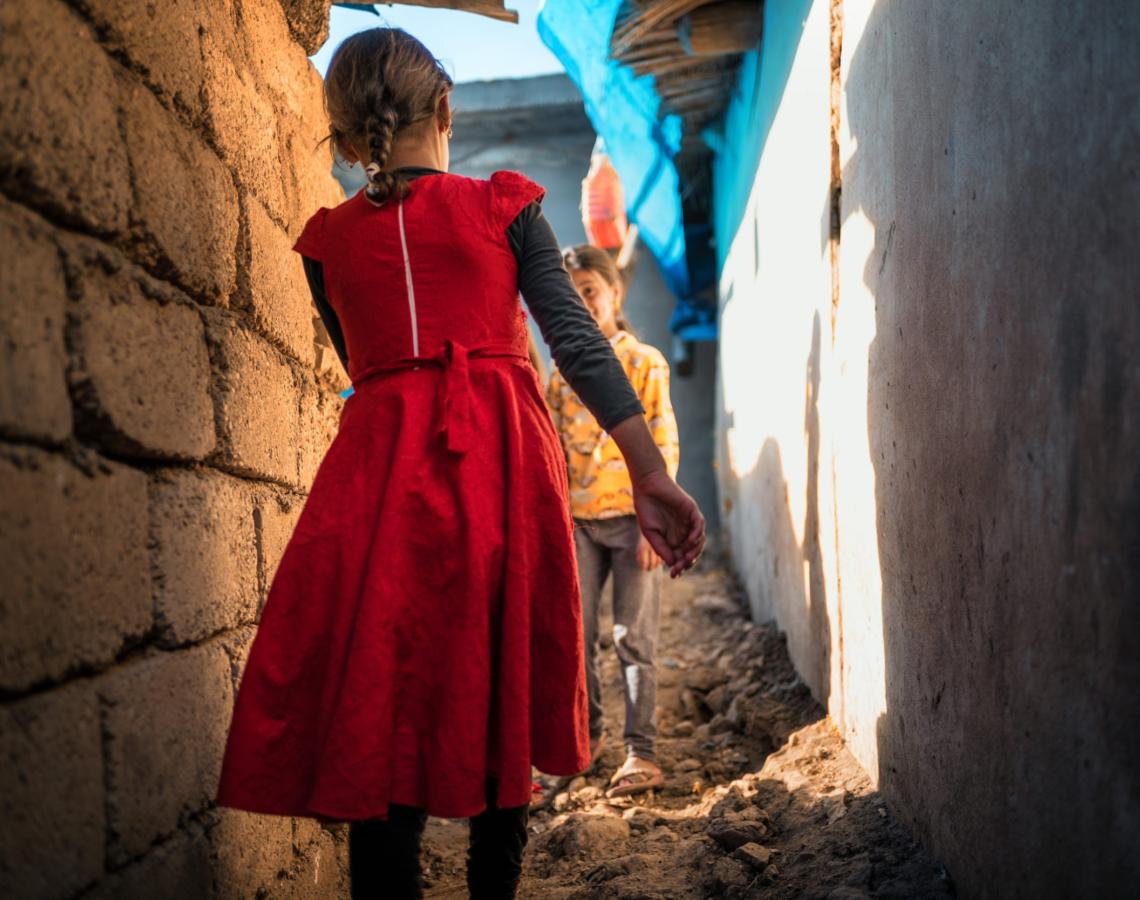
Safe Schools Declaration
Article 36 played a leading role in developing the 2015 Safe Schools Declaration, drafting successive versions of the text in partnership with Norway. The Declaration continues to strengthen the protection of education during armed conflict, and we continue to support its implementation.
Global Coalitions
Article 36 has played a leading role in establishing and strengthening international coalitions that advance civilian protection. Through organisations including the International Network on Explosive Weapons (INEW), Stop Killer Robots, ICAN, the International Campaign to Ban Landmines and the Cluster Munition Coalition, we help bring together states, international organisations and civil society to develop practical policy solutions and strengthen international norms.