Addressing the environmental consequences of conflict, towards the full protection of civilians
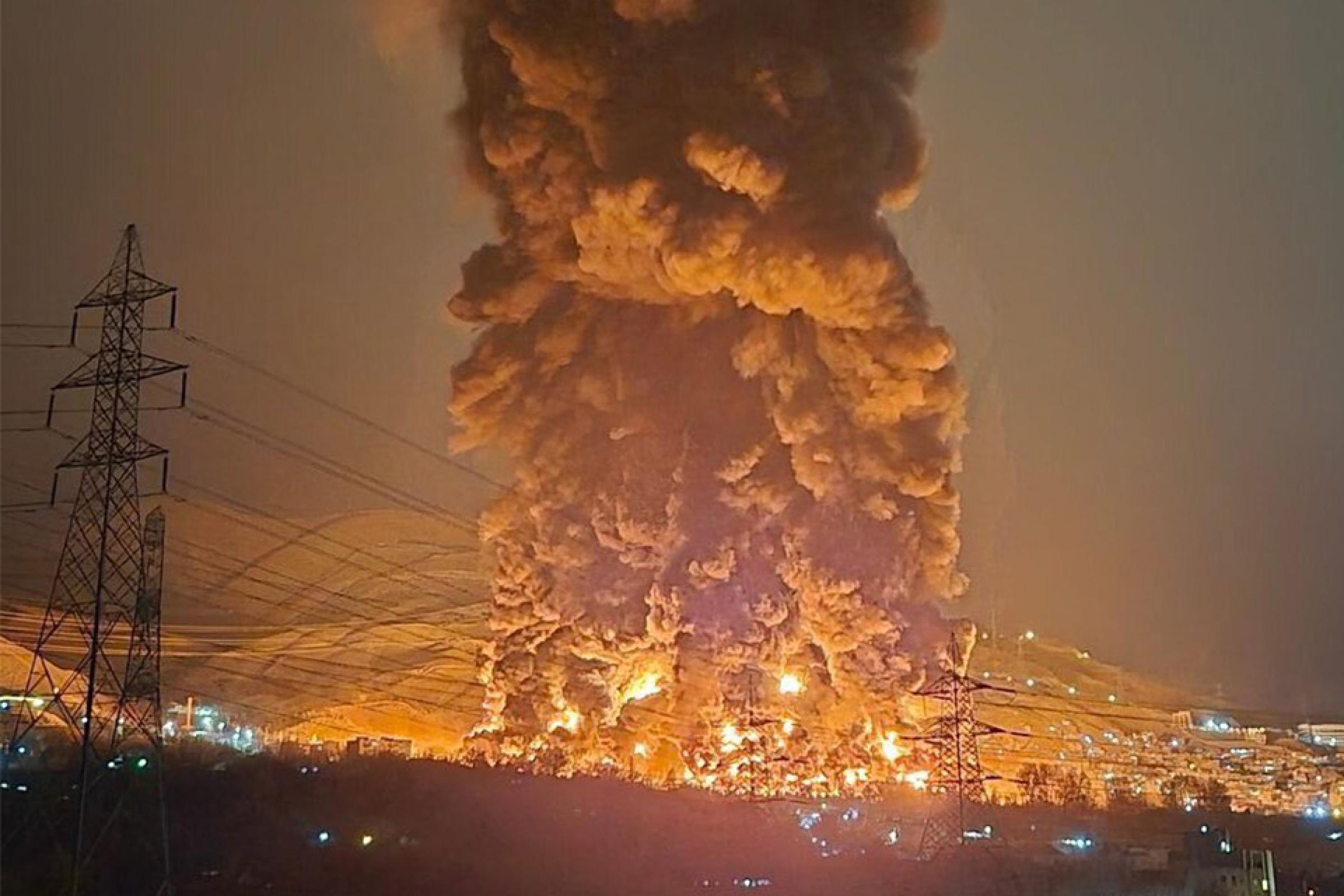
This paper argues that any full assessment of conflict harm must comprehensively account for environmental harms, and that full protection of civilians requires full protection of the environment.
The environmental consequences of conflict follow long-term, diverse patterns of harm that the prevailing frame of international humanitarian law treats inadequately. 'Full protection' offers a point of reference that validates and promotes protective policies independent of states' narrow military interests.
Multilateral discussions on the protection of civilians need to treat environmental harm not as an optional addition but as a recurring expectation, reflected in Council resolutions, the framing of open debates, and the structure of national statements. Sustainable recovery, the idea that conflict response should leave civilians better placed to live decently within their environment, needs to move beyond its current foothold in Ukraine into other contexts. From the ICRC's Guidelines, to the ILC's PERAC Principles and to the work on environmental rights and ecocide, the distributed normative work on environment and armed conflict needs to be drawn into the protection conversation.